July 27, 2026 | Anti-Aging, Skin Care Regimen
A woman in her early 40s visited my office a week prior, laying her phone on the desk in front of me. The device displayed a spreadsheet, complete with metrics like her resting heart rate, sleep score, protein goals and gym strength performance. “I document absolutely everything,” she disclosed. “Except my skin. What is the parallel for my face?” That is the critical question for the next 10 years in my practice. This patient did not seek to alter or eradicate her appearance; she aimed to preserve it. This distinct request requires a fundamentally different approach and deserves a thorough explanation.
Why Skin Aging Matters for Longevity, and What the Numbers Mean
The term “healthspan” in the field of longevity medicine distinguishes between life span (how long you live) and health span (how long you live a healthy, functional life). This same concept applies directly to skin health. Skin aging arises from biological processes that occur at a cellular level. Mitochondria, the energy-producing centers within our cells, gradually decrease in efficiency. Persistent, low-grade inflammation erodes tissue over time. Senescent cells, often dubbed “zombie cells,” stop working but fail to self-destruct, accumulating and stimulating neighboring cells. Glycation, where excess glucose attaches to protein fibers, causes a hardening effect on collagen. The visual evidence of aging in a 55-year-old is the cumulative result of these processes. Achieving skin longevity involves mitigating this total progression from much earlier, ideally before any significant damage manifests. Collagen synthesis begins to slow down in a person’s mid-twenties. For women, a dramatic acceleration occurs: in the first five years after menopause, skin loses between 25 and 30 percent of its collagen. This number fundamentally shifts the perspective. If you wait until signs of damage are visible to address your skin, you are essentially starting a marathon mid-race, lagging behind a process that has been in motion for decades. Fortunately, this progression is not predetermined. Your genes establish a foundational level, and you cannot undo your genetic inheritance. However, incorporating comprehensive sun protection, evidence-based skincare practices, sufficient sleep, proper nutrition, and strategically chosen treatments can influence the pace of aging.
The Foundation of the Plan: Five Habits Before Any Product
I advise every patient interested in longevity to adhere to this list, ordered by their relative impact. Daily sunscreen application, with absolutely no exceptions. Ultraviolet (UV) radiation triggers enzymes responsible for collagen degradation while actively inhibiting the creation of new collagen. In the intense sunlight of El Paso, Texas, this single habit outweighs every other item on this page. Consume protein with every meal. Skin is primarily composed of protein. Chronically failing to meet protein requirements while simultaneously asking your skin to regenerate itself is an inherent contradiction. Engage in resistance training. Muscle is integral to overall longevity, and the metabolic stability it imparts reflects positively in skin appearance. Prioritize sleep as a protected commitment, treating it like a vital appointment. Cellular repair processes primarily occur during the night. Maintain stable blood sugar levels. Every sugar spike directly contributes to glycation, which ultimately results in brittle collagen. All of these foundational habits are free to carry out and have a compounding positive effect over time.
The Essential Products: What I Personally Recommend and Why
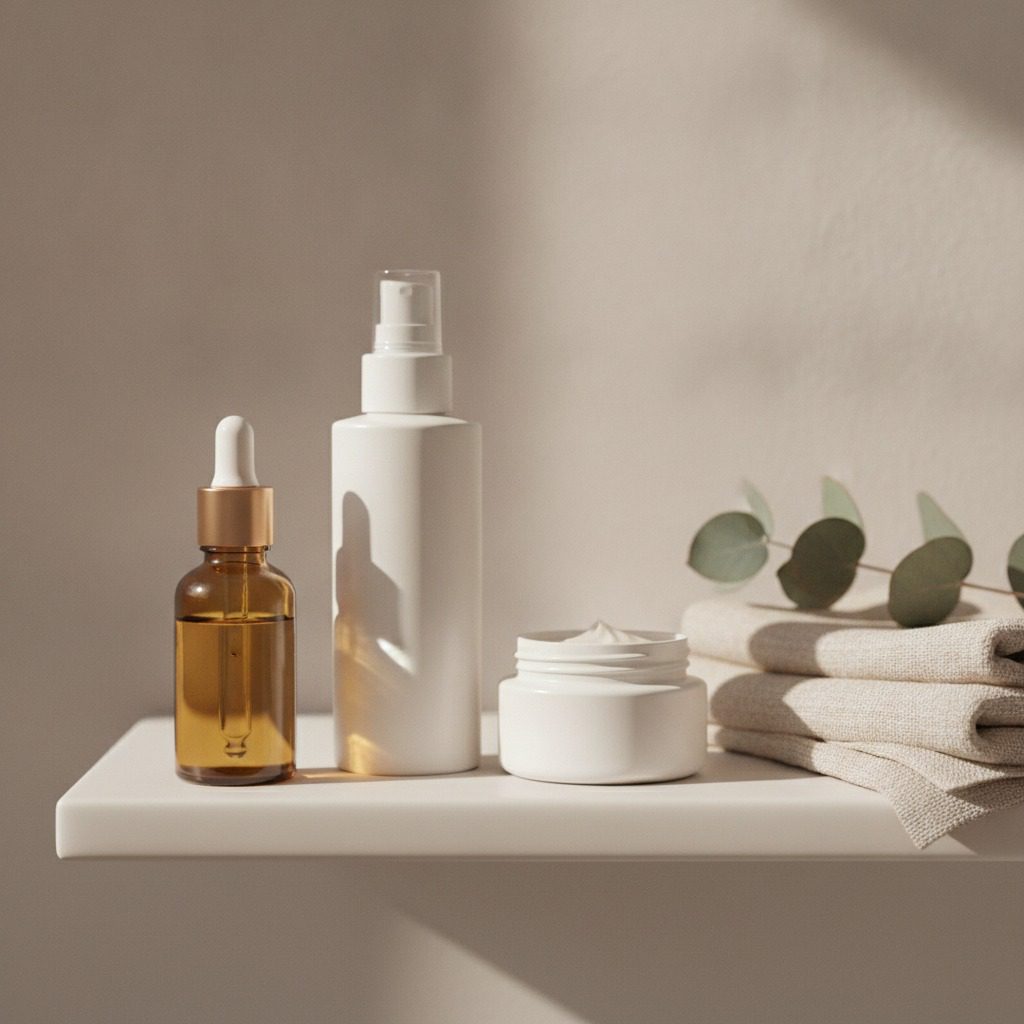
At our practice, we stock only two skincare lines: Alastin and SkinCeuticals. Both brands invest in clinical testing and focus on formulating products for skin function rather than fragrance. Here is how I integrate these into a longevity regimen: Morning routine, step 1: SkinCeuticals C E Ferulic. This antioxidant serum contains a powerful blend of vitamin C, vitamin E, and ferulic acid. Antioxidants combat the harmful free radicals produced by UV exposure and pollution, preventing them from damaging collagen. Morning routine, step 2: Alastin HydraTint Pro Mineral SPF 36. This is a tinted mineral sunscreen. The most effective SPF is the one you will consistently use, and my patients have found this formula to be one they do not skip. Night routine, step 1: Apply a retinoid. Retinoids are the most extensively studied and proven collagen-stimulating topical ingredients. I typically begin most patients with SkinCeuticals Retinol 0.5 and progress to a higher concentration only as their skin can tolerate it. Night routine, step 2: Alastin Restorative Skin Complex. This product features TriHex peptide technology, designed to eliminate damaged collagen and elastin fragments while supporting the body’s own production of new components. This strategy of clearing before building aligns precisely with the principles favored by longevity science. Targeted addition for glycation concerns: SkinCeuticals A.G.E. Interrupter Advanced is formulated specifically to address the effects of sugar on mature skin, the stiffening of collagen fibers. For use around treatments: Alastin Regenerating Skin Nectar is applied both to prepare the skin prior to procedures and to support its recovery afterward. This regimen encompasses a complete longevity protocol using just six products. Increasing the number of products does not automatically equate to improved results.
The Treatments: Actively Stimulating Collagen
Topicals play a role in protecting and signaling skin cells. In-office procedures are designed to construct new tissue. For patients seeking active collagen stimulation, I use biostimulatory injectables such as Sculptra, which prompt your own skin cells (fibroblasts) to deposit new collagen over a period of months. Radiofrequency microneedling involves creating controlled micro-injuries combined with heat, which triggers the body’s repair mechanisms. Laser treatments effectively address accumulated photodamage and skin texture irregularities. When performed early and periodically, these procedures quietly maintain skin quality. When performed later and aggressively, they are merely an attempt to catch up. The longevity approach, as described here, is the proactive method. After completing my plastic surgery fellowship at the Mayo Clinic, I obtained board certifications from the American Board of Plastic Surgery and the American Board of Surgery. I have also been recognized as a Castle Connolly Top Doctor for 13 consecutive years. The cornerstone of our philosophy at this practice is a preservation-first mindset, applied to every aspect of our care, from our skincare protocols to surgical interventions.
The One Honest Caveat
No cream, and certainly no laser treatment, can permanently lift skin that has structurally descended due to the effects of gravity. When the primary issue is sagging skin rather than poor skin quality, the appropriate discussion is surgical. A part of my responsibility is to accurately identify which of these discussions applies to you, and I would much rather have that conversation with you early than see you invest years and significant resources in an ineffective plan. My editorial viewpoint on the longevity trend can be found on drworldwide.com and the MedSpa version of this protocol is detailed on swplasticsurgery.com.
Ready to Talk?
Feel free to bring in your spreadsheet or just bring your questions. We will build out the skin component together. You can call us at (915) 590-7900, text us at 1-866-814-0038, or book an appointment online at agulloplasticsurgery.com. #StayBeautiful
@RealDrWorldWide on Instagram, TikTok, and Snapchat, @Agullo on X, or @AgulloPlasticSurgery on Facebook.