November 15, 2026 | Face, Facelift, Weight Loss
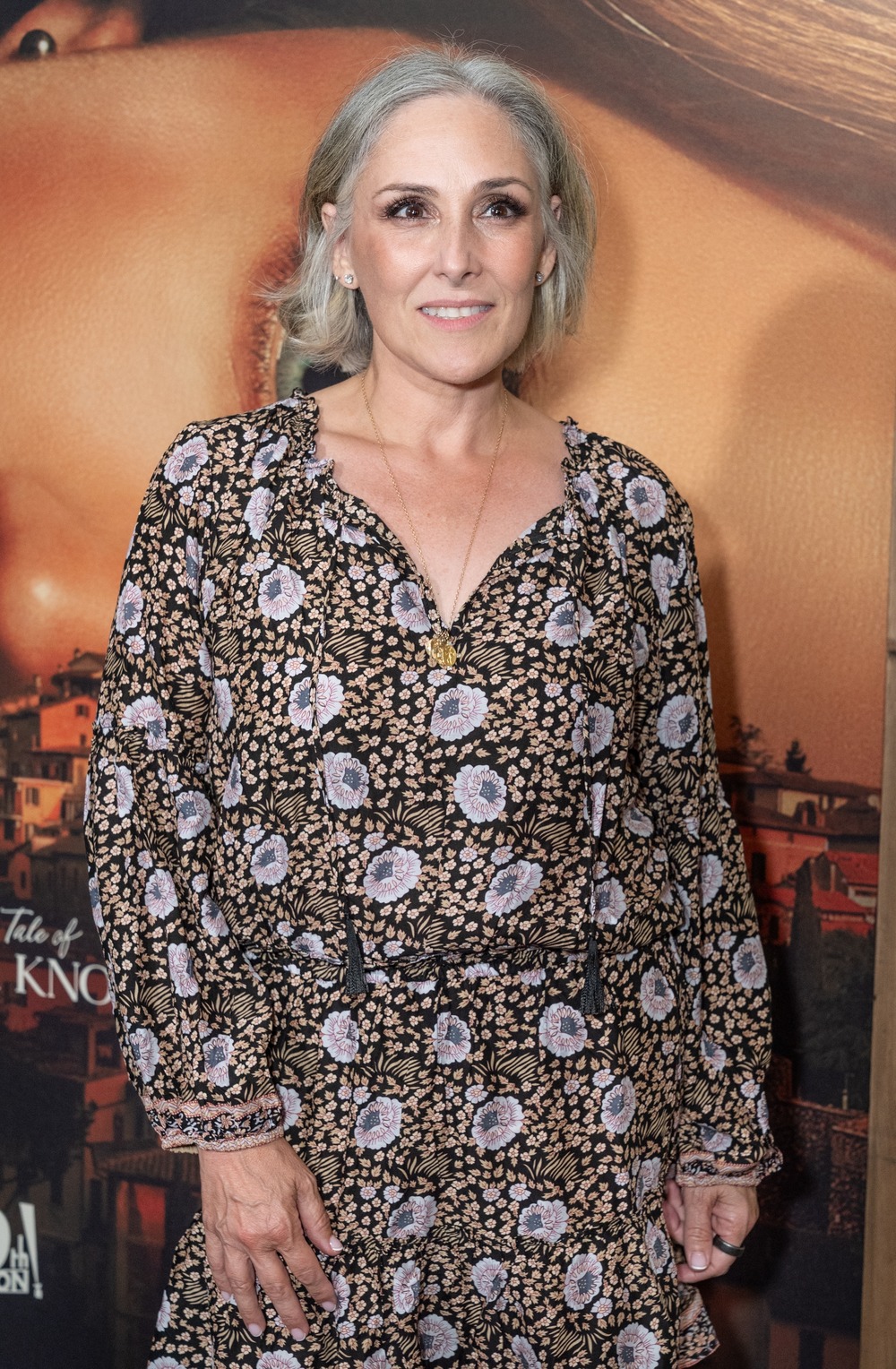
Ricki Lake says Rosie O’Donnell told her the 2024 facelift was unnecessary. Then, Lake says, O’Donnell lost about 50 pounds and had one too. Lake, for her part, says she booked hers on impulse after dropping 40, with no research. Parade ran it on October 31 and Fox News and AOL followed. No surgeon is named and I am not diagnosing anyone. My commentary on the story itself is on Dr. WorldWide.
This post is about the surgical decision underneath it, because I make it in my El Paso consultation room every week now.
“What I’ve seen in my practice is a lot more patients coming in for facial surgeries after massive weight loss with GLP-1 medications like semaglutide and tirzepatide.”
Why Weight Loss Changes the Operation
A face that has lost 40 pounds is not the same surgical problem as a face that has simply aged. It has usually lost fat and gained loose skin at the same time.
“The biggest surprise patients see is the change in their face. The face doesn’t have a lot of fat, but the fat it does have is the good fat, the baby fat, what makes you look young.”
“Skin stops producing elastin after puberty, so it just doesn’t contract like it does during puberty.”
Which is why a skin-only lift, the kind that pulls the surface tight and trusts it to hold, is the wrong tool for most of these patients. The deep layer has dropped and the skin has lost its spring. Pulling skin alone gives a tight look for a season and then gives back.
Deep Plane Versus Skin-Only: How I Decide
The deciding factor is not the name of the technique. It is how much skin is left over.
“The differentiator is how much excess skin there is. If there’s substantial excess skin, then we do a deep plane open facelift with an incision in front of the ear. If there’s not a lot of excess skin, we can get away with doing everything through the incisions behind the hairline.”
“I think the deep plane lift and the endoscopic deep plane lift are great procedures, which create very natural and long-lasting results, and we’re seeing patients completely avoid the noninvasive procedures and go straight to the surgical procedures early on.”
| After 40 to 50 pounds | Skin-only lift | Deep plane lift |
|---|---|---|
| What it moves | The skin | The deep layer, with the skin redraped, not stretched |
| Loose neck and jowls after weight loss | Tightens, then relaxes | Repositions and holds |
| Lost facial fat | Not addressed | Fat grafting at the same surgery |
| How it reads at a year | Often pulled | Rested |
| How long it holds | Shorter | Ten to fifteen years in my hands |
“A well-executed deep plane facelift generally holds its lift for somewhere in the range of ten to fifteen years. Many patients never return to the starting point.”
The Volume Half of the Problem
A lift repositions. It does not refill. After major weight loss, refilling is usually half the job.
“Fat is the best filler for a deflated face. A deflated face has lost fat. And what we do when we do fat grafting is replace the fat in those spaces. So it’s like with like.”
“In terms of fat grafting, it can be done while the patient is still losing weight, as long as the patient knows that it will require repeat treatments.”
That second line is why some patients get fat grafting early, during the weight loss, and the lift later.
The Weight-Stable Rule
Here is the check an impulsive booking skips, and the one I will not skip.
“Preferably I want the patient to have lost the weight that they had planned and be weight stable after any facelift procedure. The reason being that oftentimes patients after a facelift tend to lose further weight. And of course, if we lose the volume, then we will have some aging. As the face deflates, the skin tends to sag. So we would lose a lot of the benefit of having done the facelift if the patient continues to lose weight.”
“What I’ve been seeing is about a six to nine month weight loss and then about a three month stabilization until we’re ready for surgery.”
“And the main thing is not to bounce back. When you stop taking it, if we have a bounce back, that can pretty much destroy everything we did, and the fat is not going to come back in the right places necessarily.”
Who Is a Candidate
You are a good candidate for a facelift after weight loss when the number on the scale has held for about three months, your GLP-1 plan is settled with whoever prescribes it, you are a non-smoker or have stopped, and what bothers you is position and volume rather than skin texture alone. If the weight is still moving, I would rather see you for fat grafting and skin care now and the lift later. If you are not sure which you are, that is what the consultation is for.
What to Expect Afterward
“Patients who have lost a lot of weight, we do these surgeries and we’re pulling as tight as we can, but the skin, because it’s lost that elastin, is going to give again. We lose some of the result over the first six months.”
“A facelift is not finished healing at six weeks or even three months. A great many early complaints resolve on their own by month six.”
“I recommend yearly RF microneedling, volume restoration when necessary, topical retinoids, botulinum toxin, and sunblock.”
On Research, and On Price
Lake’s “no research” is the line that stays with me. Research is not reading reviews. It is seeing a surgeon’s results day after day, and asking what a low price is leaving out.
“I always feel like when things are too good to be true, they usually are. If a price seems far below what everyone else is charging, you have to ask what’s being cut, the surgeon’s experience, the accreditation of the facility, the type of anesthesia, or the follow-up care.”
“I allow sufficient operating room time to work in a paced fashion, for safety. Low-cost surgeries get compressed to cut anesthesia and operating room fees.”
Current facelift pricing is on the fees page. What the skin needs during the weight loss itself, before any surgery, is on Southwest Plastic Surgery. Related reading here: the face after weight loss, what holds at 18 months and the younger facelift patient in the GLP-1 era.
Why Choose Dr. Agullo
I am certified by the American Board of Plastic Surgery and the American Board of Surgery, completed my plastic surgery fellowship at the Mayo Clinic, and serve as Clinical Associate Professor of Plastic Surgery at Texas Tech University Health Sciences Center. Castle Connolly has listed me as a Top Doctor every year from 2014 through 2026. I perform deep plane and total endoscopic deep plane facelifts in an accredited surgical center in El Paso, and I prescribe and follow GLP-1 patients myself.
Ready to Talk?
Lost the weight and wondering whether your face needs a lift, fat, or just time? Let me look first. Call (915) 590-7900, text 1-866-814-0038, or request an appointment at agulloplasticsurgery.com/appointments. #StayBeautiful
Find me at @RealDrWorldWide on Instagram, TikTok, and Snapchat, @Agullo on X, or @AgulloPlasticSurgery on Facebook.