
August 12, 2026 | Hyaluronic Acid, Skin Care Regimen
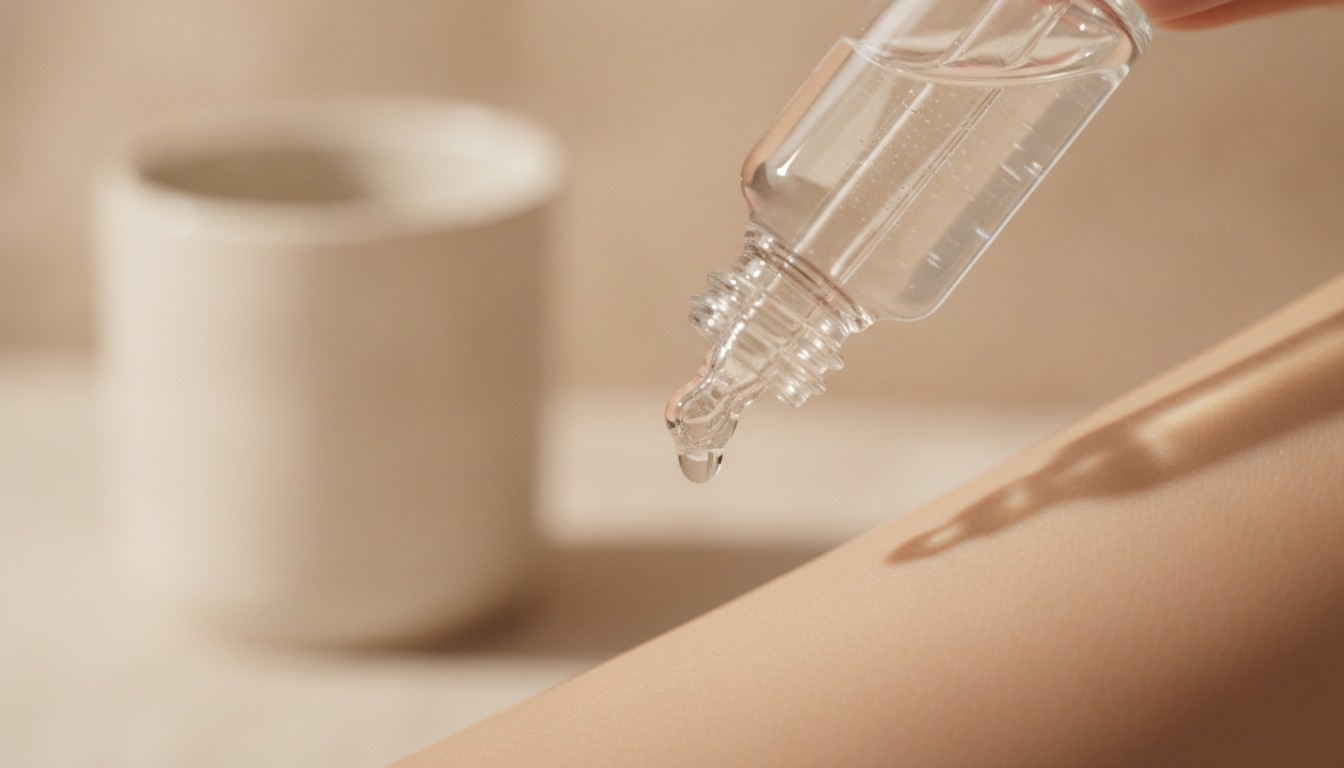
A patient asked me last week which hyaluronic acid serum she should buy. She’d read three different “best of” lists and gotten three different answers. Around the same time, WOWMD called asking me to weigh in on the same question for a national piece, alongside a colleague in Sydney. So I’ll give the answer I gave her.
WOWMD later filmed me explaining it on camera. It runs under two minutes:
What It’s Actually Doing on Your Skin
A hyaluronic acid serum is, at its core, water and hyaluronic acid. It pulls moisture into the top layer of skin and holds it there, which is why skin looks plumper and fine lines look softer within an hour. It’s a humectant, not a filler, and it doesn’t rebuild collagen or reach the deeper layers of skin the way an injectable does.
That’s not a knock on it. It’s just what it is, and knowing that helps you buy the right one instead of the one with the best marketing.
The One Detail That Actually Matters: Molecular Weight
Hyaluronic acid comes in different molecular weights, and the weight determines where it goes to work. High molecular weight HA sits on the surface and slows water evaporation through the day. Low molecular weight HA is smaller, so it gets into the epidermis, where it can do more for texture and fine lines.
A serum with only one or the other gives you half the benefit. I tell patients to look for a blend of both, high and low molecular weight HA together, because that’s what gives you the surface film and the deeper hydration at the same time.
What Makes a Serum Better
I like to see HA paired with niacinamide for barrier protection, ceramides for moisture repair, peptides for collagen support, and glycerin as a second humectant. A serum built around HA plus a couple of these does more than HA by itself.
Who I See Benefit Most
Dehydrated skin, obviously. Patients recovering from a procedure or using a retinoid, since both can leave skin more prone to water loss. Anyone in a dry climate, which covers most of El Paso. And perimenopausal and postmenopausal patients, where declining estrogen affects the skin’s own ability to hold moisture, independent of anything topical. I see that last group benefit the most consistently, because the underlying cause of their dryness is hormonal, not just environmental, and a good HA serum addresses the symptom directly.
Who Should Hold Off
If you have sensitive or broken skin, an active rosacea flare, a known sensitivity to a preservative like methylparaben, or you’re a week or two out from an aggressive peel or laser session, check with whoever did the procedure before adding a new product. HA itself is about as low-risk as skincare gets, but the rest of the formula isn’t always.
Why I Get Asked This
I’m double board-certified by the American Board of Plastic Surgery and the American Board of Surgery, a Fellow of the American College of Surgeons, and I completed my plastic surgery fellowship at Mayo Clinic. I’m a Clinical Associate Professor of Plastic Surgery at Texas Tech University Health Sciences Center Paul L. Foster School of Medicine, and Castle Connolly has named me a Top Doctor for thirteen consecutive years. Skincare questions come up in nearly every consultation, surgical or not, and I’d rather give a straight answer than a marketing one.
Ready to Talk?
Whether it’s a serum question or a surgical one, I’ll give you the same honest answer I give in the room.
Call (915) 590-7900, text 1-866-814-0038, or book online at agulloplasticsurgery.com/appointments. #StayBeautiful.
@RealDrWorldWide on Instagram, TikTok, and Snapchat, @Agullo on X, or @AgulloPlasticSurgery on Facebook.
Cross-links
- Editorial version on drworldwide.com: “What Hyaluronic Acid Serum Actually Does (And Why Molecular Weight Matters)” (link once live)
- Practice version on swplasticsurgery.com: “Southwest Plastic Surgery’s Take on Hyaluronic Acid Serums” (link once live)