
September 21, 2026 | Body Contouring, Rib Repositioning
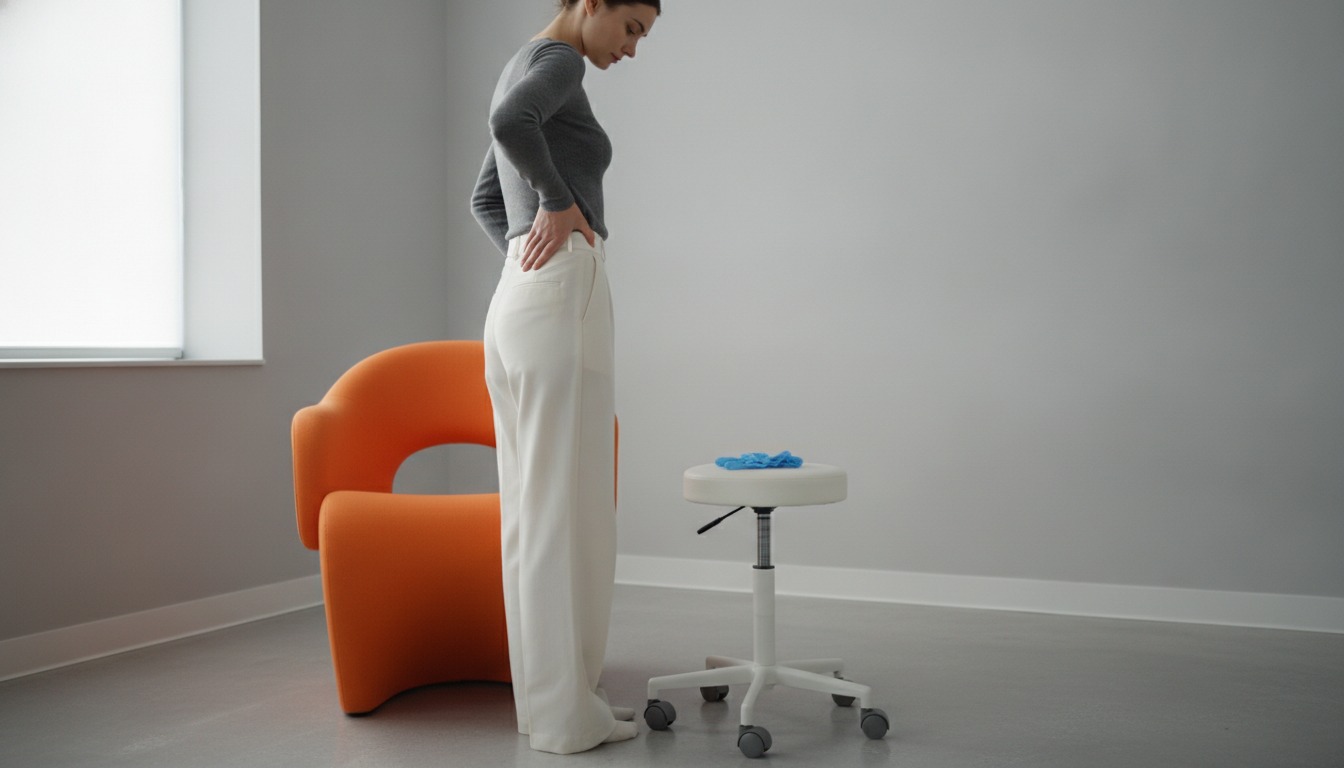
The first question at a rib consult is never about the waist. It is about the ribs. “Do you take them out?”
No. And the fact that everyone assumes I do is the reason this post exists. Rib removal is the old operation. Rib repositioning is the one I do, and the two share a bone and not much else.
Is rib removal the same as the “Barbie waist” I see all over social media?
Dr. Agullo: “These are all the same procedure with different names, due to marketing or surgeon preference. You may have seen it as RibX, RibXcar, Ribella, WASP, RIBOSS, H-Curve rib remodeling, Invisarib, or the Barbie waist. We tend to call it rib repositioning. It can also be referred to as rib remodeling or minimally invasive rib contouring.”
One operation, a dozen trademarks. Search any of them and you land on the same idea. I wrote about the naming mess when the scarless version first arrived, and it has only gotten worse.
Why the Waist Stops Shrinking
Why won’t my waist get smaller no matter what I do?
Dr. Agullo: “The waist is defined, or restricted, by the distance between the superior crest of the pelvis and the last rib. In some patients, this last rib almost touches the pelvis, which means that there really can be no further reduction in the waistline. You can lose fat. You can build obliques. The bones do not care.”
“To create a smaller waist, what we do is cut the outer portion of the last two floating ribs so that we can reposition them in a narrower configuration. That’s the way we create a smaller waistline. We move the floor.”
Every other waist procedure works on what sits between the rib and the hip. This one works on the rib.
Rib Removal vs. Rib Repositioning
Do you remove the ribs?
Dr. Agullo: “No. This used to be done by removing the ribs in their entirety, which required a large incision, had an increased risk of injury to the lung or nerves, and sometimes led to chronic pain. That version earned its bad reputation.”
“The way this procedure is done now is through a small needle incision, using a device called a Piezotome, which is an ultrasonic needle device that helps us cut the outer portion of the rib with ultrasound guidance, and then the ribs are fractured into their new position. Today it is a scarless procedure with substantially fewer risks and complications.”
Side by side, because patients keep arriving with the old operation in their heads.
| Rib removal (the old operation) | Rib repositioning (what I do) | |
|---|---|---|
| What happens to the rib | Removed in its entirety | Outer portion cut, rib fractured into a narrower position, rib stays |
| Incision | Large | Small needle incision |
| Scar | Yes | None |
| Guidance | None | Ultrasound, with the Piezotome |
| Lung and nerve risk | Increased | Less than one percent for the two floating ribs |
| Chronic pain | Sometimes | Substantially fewer risks and complications overall |
| Organ protection afterward | Ribs are gone | Ribs stay and keep protecting |
“I think this was a controversial procedure when we were removing entire ribs and accepting large scars and increased risks. With this new scarless technique, the risks are minimal. There is no scar. And if we only treat the two floating ribs, it’s an easy recovery. It’s not controversial at all.”
The Misconception: “I Need My Ribs to Protect My Organs”
You do. You keep them.
Don’t I need my ribs to protect my organs?
Dr. Agullo: “That’s the beauty of it. With rib repositioning, we’re leaving the ribs in place, so they’re still protecting the organs. The floating ribs are located posteriorly and protect the kidneys, and when we reposition them, they’re still doing that function. The false ribs are protecting the lower end of the lung and the abdomen, and we’re just repositioning them. In excision rib surgery, the ribs are removed and they’re no longer protecting anything. In repositioning, they’re just placed in a new position while still protecting the vital organs.”
How Many Inches
How much smaller will my waist get?
Dr. Agullo: “If we reposition the last two floating ribs, most patients’ waistline is reduced by about three to four inches, with a lung injury risk of less than one percent.”
“The reduction can go further if we also treat the last two false ribs. To do that, we cut the ribs anteriorly, where they attach to the cartilage, and posteriorly, so that we turn them into floating ribs, and then reposition them. This increases complications to around one to two percent, requires a CT scan to visualize the ribs before surgery, and not every patient is a good candidate. By adding the two false ribs, we can reduce the waistline by six to seven inches.”
Three to four inches from the floating ribs alone. Six to seven if the false ribs join, with a CT scan first and a risk number I say out loud to every patient who asks for the bigger version. The numbers post goes deeper on this.
Who Is a Candidate
Who is a good candidate?
Dr. Agullo: “The ideal candidate is somebody who wants to reduce their waistline and get a more feminine figure. This is very common in women who have an athletic body build and do not have much waist. It is also very common in male-to-female transgender patients. And it’s very common in women who are already curvy but want to reduce their waist further.”
“Other times, I see patients who have already had liposuction and tummy tucks and just want even more waist definition, and this would be the last option for them to achieve it.”
Should I get it if I already have an hourglass?
Dr. Agullo: “It’s a very personal decision. Touch your last rib, the one on the most bottom, and keep going down. If you don’t have a lot of distance between your rib and your hip, it can come in a lot. There are no scars. I just make two little needle points and bring it in, so it’ll make the waist smaller for sure. But if your waistline is already good enough, you don’t need it. It just makes the hourglass a little bit more.”
Try that test right now. The gap you feel is the whole consult.
Pain, Time Off and the Waist Trainer
Does it hurt, and what is recovery like?
Dr. Agullo: “The risk of injury to the lung, if we’re only targeting the floating ribs, is minimal, probably less than one percent. I inject Exparel in the area prior to the procedure, a local anesthetic that lasts for three days and numbs the area for a much smoother recovery. Most patients describe the pain as mild to moderate, and they feel the waist trainer helps them through it.”
How much time off work will I need?
Dr. Agullo: “Five to seven days to return to normal, easygoing activity, with no heavy lifting and nothing strenuous. Then it is three months to return to full activity with no limitations, while the ribs heal in their new position.”
Why the waist trainer?
Dr. Agullo: “Corset training is not a gimmick here, it is the recovery. We actually use the waist trainer for three months to help heal the ribs in their new position. Many patients notice their waist trainer can be placed tighter and tighter as they heal, and they often have to downsize to a smaller waist trainer toward the end of the three months.”
Are the results permanent?
Dr. Agullo: “The ribs are repositioned into a new, narrower configuration, and the waist trainer holds them there for three months while they heal in that position. As with any body contouring, the result depends on maintaining a stable weight.”
What It Costs
How much does it cost?
Dr. Agullo: “As a standalone procedure, rib repositioning is ninety-five hundred dollars. If it’s done in addition to other procedures, it’s a forty-five hundred dollar add-on. For example, if you’re already having liposuction and/or a tummy tuck and we add rib repositioning, it’s forty-five hundred dollars.”
That is as of this writing. For the most up-to-date pricing, rely on the fees page.
The Combination Most Patients Actually Get
Can it be combined with other procedures?
Dr. Agullo: “Rib repositioning rarely works alone in my practice. Liposuction is a very strong tool for the waist contour, and I often combine the two: if you’re able to pinch excess fat in the waistline area, liposuction there buys more definition.”
“The way I perform a tummy tuck also gives a lot of waist definition, because I plicate the rectus muscles and the oblique muscles. It’s like an internal corset, a triple plication, which brings in the waistline further. Since I do the triple plication, which a lot of people don’t do, it brings the ribs in so that you get the added reduction.”
“So the ultimate waist definition procedure would be a combination of liposuction, rib repositioning, a triple plication internal corset through a standard or mini tummy tuck, and then the waist trainer for recovery. For some patients this folds into a larger body contouring or mommy makeover plan.”
Liposuction for the fat. Ribs for the frame. The tummy tuck corset for the muscle. Then the waist trainer does the rest.
Why I Do This Operation
Why you?
Dr. Agullo: “This technology did not come into development until about two or three years ago, so be careful who you let near your ribs. I am a board-certified general surgeon and plastic surgeon, and I have experience with rib fractures and rib removal procedures from both careers. I use the ultrasound to identify the ribs and visualize while I’m cutting the outer table before repositioning, and this decreases the risk of injury to other structures. The Mayo Clinic fellowship taught me many things, and one of them was respect for what sits behind a rib.”
Why Choose Dr. Agullo
Dr. Agullo is certified by the American Board of Plastic Surgery and the American Board of Surgery, completed his plastic surgery fellowship at the Mayo Clinic, and serves as Clinical Associate Professor of Plastic Surgery at Texas Tech University Health Sciences Center. He has been a Castle Connolly Top Doctor for thirteen consecutive years, 2014 through 2026. Rib repositioning is a signature procedure of the practice; the full description is on the procedure page.
Ready to Talk?
Touch your last rib. If there is no room below it, come see me.
Call (915) 590-7900, text 1-866-814-0038, or book online at agulloplasticsurgery.com. #StayBeautiful
Find me at @RealDrWorldWide on Instagram, TikTok, and Snapchat, @Agullo on X, or @AgulloPlasticSurgery on Facebook.