August 14, 2026 | Injectables
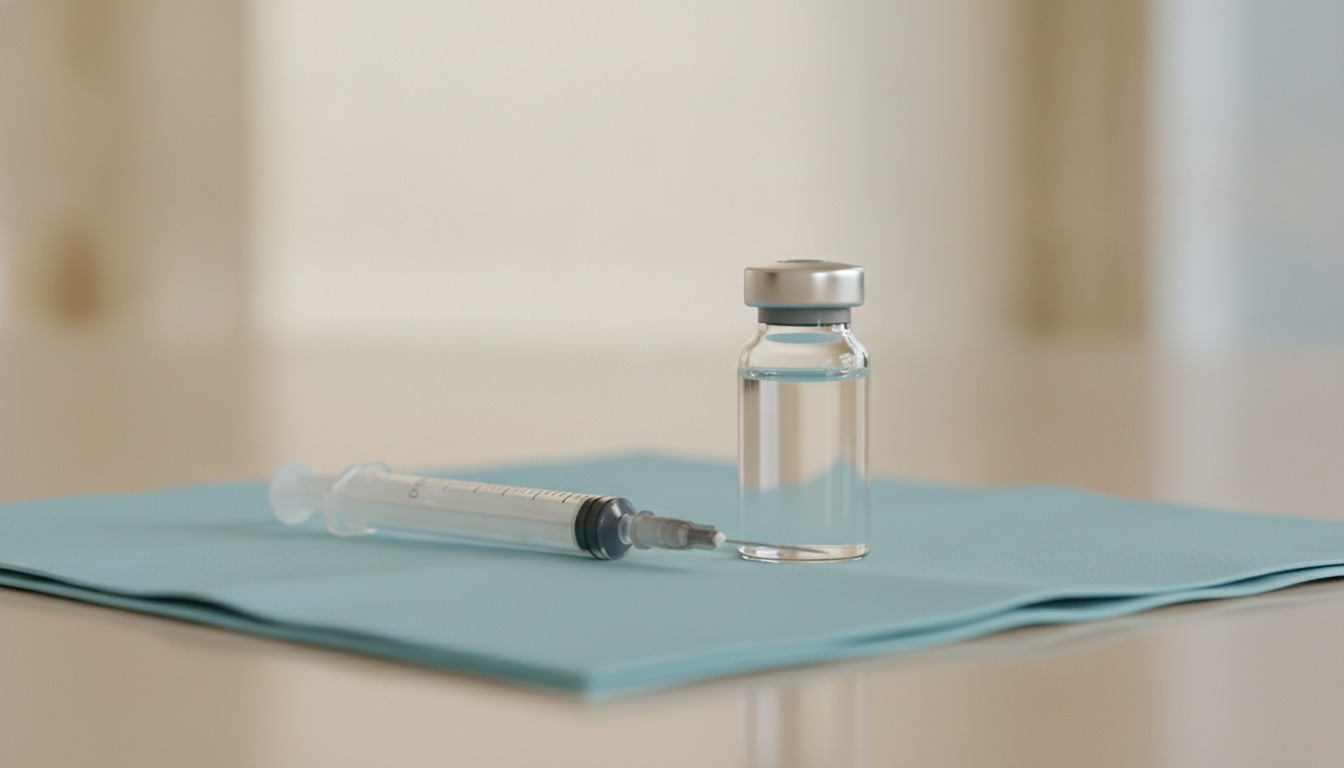
A patient asked me last month about a filler kit she’d found online, sold with instructions for at-home use. Around the same time, Daily Mail called asking about a Reddit community of roughly 70,000 people doing the same thing and trading results. I was the only surgeon quoted in that piece, so here’s the fuller answer.
Filler Is the One I Worry About Most
Filler is a blind injection into a face loaded with arteries. You can’t see the vessels while you’re threading a needle around them, and neither can anyone injecting themselves at home. A trained injector knows the danger zones by anatomy, uses technique that lowers the odds of hitting a vessel, and keeps hyaluronidase on hand to dissolve a blockage within minutes if it happens anyway.
If filler goes into a vessel, it can cut off blood flow to skin or to an eye, and that can mean tissue death or permanent vision loss. There’s roughly a 60 to 90 minute window where dissolving the blockage can still prevent lasting damage. Past that window, outcomes get much worse. That window is the entire argument for having this done somewhere the antidote is already on the shelf.
Botox Has a Different Problem
Self-injected Botox isn’t the same vascular emergency, but it comes with its own risk: you don’t know what’s actually in the vial. Product bought online is sometimes counterfeit or not FDA approved, so the dose and the substance are both unknowns. Misplaced or mis-dosed toxin causes drooping eyelids, double vision, and trouble swallowing, and those complications showed up repeatedly in the forum threads I reviewed for this piece.
Boosters and Microneedling Are Lower Risk, Not No Risk
These carry less danger than filler or toxin, but sterile technique still matters. Without it, both can cause infection, nodules, and permanent scarring. I read real accounts on that Reddit community: a 50 percent glycolic peel that burned for an hour and left white patches, an under-eye toxin injection that caused fluid pooling, a “witch chin” from over-injected chin filler, and a woman who woke with her eye swollen shut after self-injected cheek filler.
What You’re Actually Paying For
Real Botox and filler cost real money to buy wholesale, and a legitimate practice’s price reflects real overhead: sterile supplies, trained staff, emergency drugs kept on hand, and a follow-up visit built in. A heavily discounted vial online skips all of that, with no guarantee it’s genuine, sterile, or properly stored. That’s not a discount. That’s paying with risk instead of dollars.
Why I Get Asked This
I’m double board-certified by the American Board of Plastic Surgery and the American Board of Surgery, a Fellow of the American College of Surgeons, and I completed my plastic surgery fellowship at Mayo Clinic. I’m a Clinical Associate Professor of Plastic Surgery at Texas Tech University Health Sciences Center Paul L. Foster School of Medicine, and Castle Connolly has named me a Top Doctor for thirteen consecutive years.
Ready to Talk?
If you’re weighing a discounted kit against an office visit, ask first. It’s a short conversation that can save you a much longer one later.
Call (915) 590-7900, text 1-866-814-0038, or book online at agulloplasticsurgery.com/appointments. #StayBeautiful.
@RealDrWorldWide on Instagram, TikTok, and Snapchat, @Agullo on X, or @AgulloPlasticSurgery on Facebook.
Cross-links
- Editorial version on drworldwide.com: “The 60-Minute Window: What Actually Happens When At-Home Filler Goes Wrong” (link once live)
- Practice version on swplasticsurgery.com: “Southwest Plastic Surgery on DIY Injectables” (link once live)