October 16, 2026 | Plastic Surgery Recovery, Recovery, Weight Loss
“The best protein is the one that you actually chew and have with your meals.”
That is my whole position on protein powder. The week after surgery is the exception.
The Number
“The usual amount of protein intake is 0.8 grams per kilogram for most people, and 1.2 grams per kilogram in people that are actively exercising or recovering from surgery.”
Why Recovery Is Different
“Everybody needs protein, and it can come from many different sources. The best protein is the one that you actually chew and have with your meals. The people that need supplementation are the ones that are not taking enough protein to fulfill their body’s demand. There can be two reasons. One is not eating enough, or two, there is an increased demand from the body for protein. Some of the factors that can increase demand are people that are exercising, and people that have just undergone a surgery and are recovering. Elderly people are notorious for lower food intake and therefore lower protein intake, and this requires supplementation.”
After a tummy tuck, both reasons at once. Demand up, appetite down.
Food First
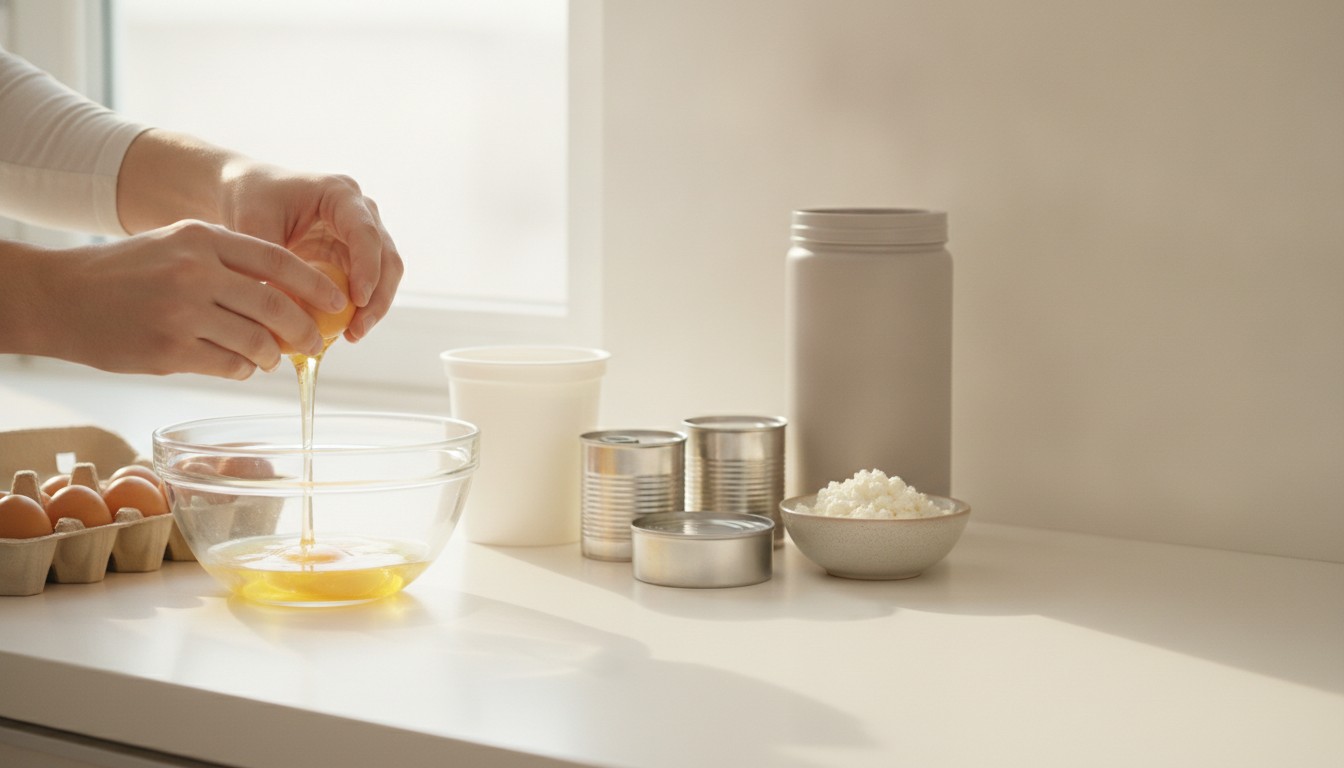
“There are many options other than supplements to attain your daily requirement. Many foods like eggs, milk, dried beans or lentils, canned tuna or salmon, and cottage cheese are good sources. One of the best alternatives to whey supplements is actually powdered milk, which contains whey and is far less expensive than the whey supplements. Also, one of the better options other than whey supplements would be plant-based protein powders.”
The Patient Who Lost Weight First
“Other patients that often need increased protein intake are GLP-1 patients, because they are usually not taking in enough food. Not taking enough protein will result in muscle wasting. Patients that have some difficulty are lactose intolerant patients, as their supplementation options are decreased. Patients that should be very careful about protein supplementation are those with kidney disease, and this should be guided by a physician.”
Muscle wasting is the part of body contouring after major weight loss nobody plans for. Loose skin: the This Is My Journey podcast. When to operate: the timing post.
More Is Not Better
“People that are not eating enough protein to fulfill their daily balance will benefit from supplements, keeping in mind that proteins that you can chew are far better than anything that comes in a powder. Taking more protein than you need is wasteful, and your body will not be able to use it. Like I’ve said before, people that may require supplementation are very active athletes, patients recovering from surgical procedures, and elderly individuals.”
Hit 1.2 while you heal. Then back to 0.8.
Grocery list, FAQ and the full answers: the Southwest Plastic Surgery post. The other pre-op habit I ask about: nicotine and surgery.
Why Choose Dr. Agullo
Double board-certified, by the American Board of Plastic Surgery and the American Board of Surgery. Mayo Clinic plastic surgery fellowship. Clinical Associate Professor of Plastic Surgery at Texas Tech University Health Sciences Center. Castle Connolly Top Doctor for 13 consecutive years.
Ready to Talk?
Call the office at (915) 590-7900, text us at 1-866-814-0038, or book a consultation at agulloplasticsurgery.com/appointments. #StayBeautiful
@RealDrWorldWide on Instagram, TikTok, and Snapchat, @Agullo on X, or @AgulloPlasticSurgery on Facebook.