August 12, 2026 | Rhinoplasty
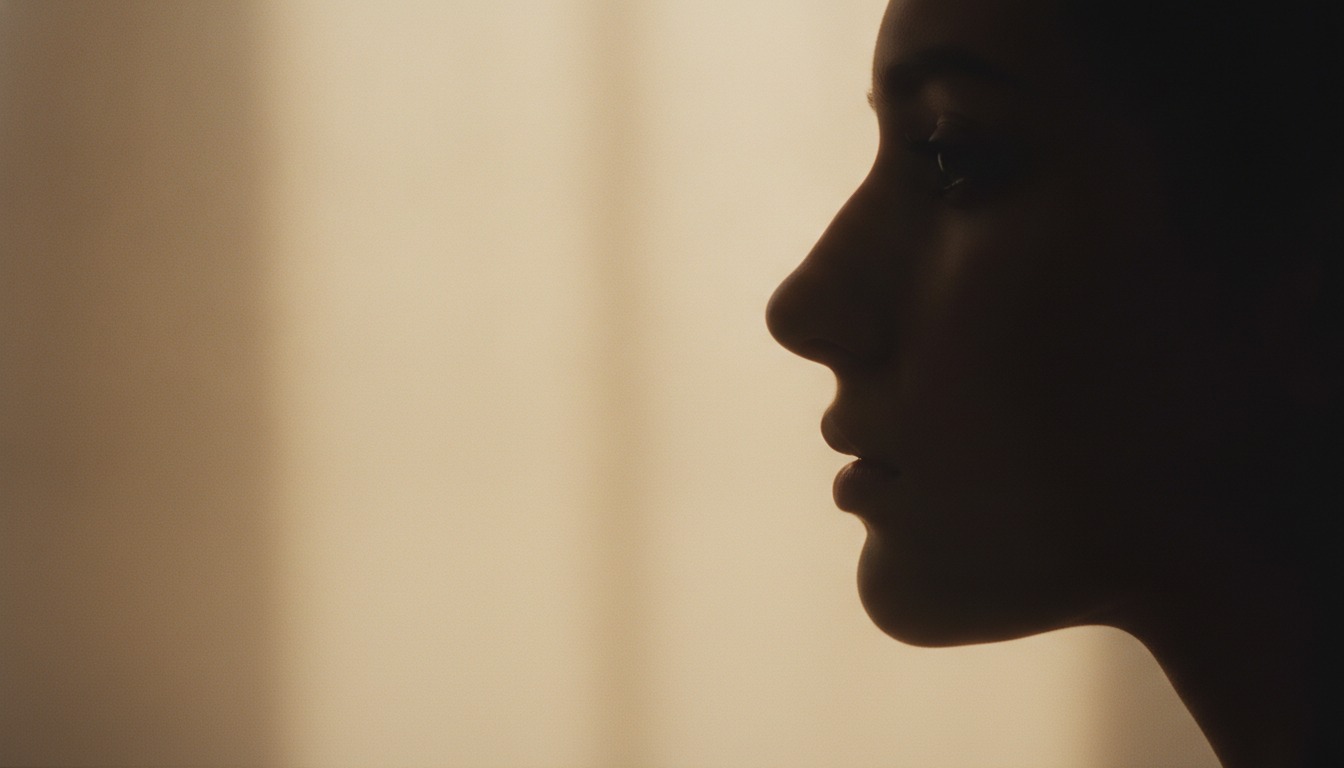
A patient sat down in my consultation room recently holding two quotes for the same procedure, one nearly half the other. She wanted to know which surgeon was overcharging her. Neither, necessarily, but the two numbers weren’t measuring the same thing. Rhinoplasty is one of the more expensive procedures I perform, starting at $15,000 in my practice and $18,000 for a revision, so here’s the honest breakdown I gave her.
What’s Actually in the Price
The published price includes everything you need to undergo a rhinoplasty: my surgeon’s fee, the anesthesia fee, and the operating room fee. It includes the vitamins you’ll take preoperatively and after surgery, plus supplements like Arnica and Bromelain for bruising and swelling. I give you ice packs and everything you need to recover, plus your follow-up appointments. The only thing you’re responsible for is picking up your prescription medications at the pharmacy.
Why Two Quotes Rarely Match
Several things push the cost of a rhinoplasty up or down between surgeons. Location affects it, since overhead and anesthesia and operating room fees run higher in certain cities. Board-certified plastic surgeons often charge more than non-board-certified physicians, because of their experience and additional training. Demand for a surgeon’s rhinoplasty work, consistency of before-and-after results, and patient satisfaction all factor in too.
When you see a too-good-to-be-true price, it usually is. Surgeons offering those often cut down on surgical time or rush the procedure to lower anesthesia and OR costs. Less experienced surgeons, or ones trying to build a rhinoplasty practice, sometimes charge less to attract patients.
What Actually Changes the Cost
| Factor | How it moves the price |
|---|---|
| Primary rhinoplasty, standard | Baseline, $15,000+ |
| Open technique with significant tip work | Longer procedure, more controlled contours, cost rises with time |
| Weir incision (ala width reduction) | Adds time, increases cost somewhat |
| Revision rhinoplasty | $18,000+, grafts often needed from elsewhere on the body or a donor graft, much longer surgery |
| Rhinoplasty plus chin implant | $18,000+ |
Most primary rhinoplasties are standard. If there’s significant tip work, I usually recommend an open technique for the best, longest-lasting contours. Cost really comes down to how long the procedure takes and how many maneuvers and grafting techniques are involved. Most run two to two and a half hours. Adding a Weir incision to reduce ala width extends the time slightly and raises the cost somewhat. What raises it the most is a revision, where grafts often need to come from elsewhere on the body or from a donor source, making the surgery significantly longer.
Insurance and a Deviated Septum
I take a holistic approach. I don’t take insurance myself, but I still take care of the problem. If I find a deviated septum, or diagnose one before surgery, I address it at the same time as the rhinoplasty, which is usually cosmetic. If a septoplasty or turbinate resection needs to run through insurance, that requires doing the procedure at a Medicare-certified surgery center or hospital, and the patient still pays for the cosmetic portion’s OR time and anesthesia there, which runs higher than doing the entire case at my own accredited cosmetic surgery center.
Why I Think It’s Worth Getting Right the First Time
Rhinoplasty is technically demanding, and it takes real communication to understand what a patient is actually looking for. I use 3D imaging to help patients visualize what’s technically feasible, so we’re on the same page before we ever get to the OR. A rhinoplasty also can’t be hidden. It sits in the middle of your face, you’ll see it in the mirror every day, and everyone else will see it too. Getting it right the first time gives you the best chance at the best result.
I perform a lot of revision surgeries, and a revision never quite matches what a well-done first surgery achieves. Revisions cost more than an initial rhinoplasty, not less. That’s the core reason I don’t recommend shopping for the cheapest surgeon.
What to Ask Beyond the Price
Look at a surgeon’s reviews and the number of them, their before-and-after photos and how consistent the results look, and whether they operate in an accredited facility. Confirm you’ll have real follow-up access, ideally around the clock after surgery. Confirm board certification. And make sure you have good rapport during the consultation, since rhinoplasty results take about a year to fully settle and you’ll be checking in with your surgeon through that whole window.
Financing
I offer PatientFi, AlphaEon, Cherry, and CareCredit, plus a direct payment plan through the practice itself, where you can pay toward your surgery ahead of time on a schedule that works for you. Credit cards, cash, and outside bank financing all work too.
What About Filler Instead of Surgery?
Non-surgical, liquid filler rhinoplasty costs significantly less, usually around fifteen hundred dollars, with no anesthesia or operating room needed. It’s temporary, and what it’s actually doing is creating an optical illusion by adding volume, which makes the nose bigger, not smaller. If your goal is a smaller nose, this isn’t your treatment. If you have a small hump, filler placed above and below it, and at the tip, can camouflage it well.
Filler doesn’t disappear so much as migrate. I see some patients whose bridge or tip gradually widens as it dissipates. If you’re seriously considering surgical rhinoplasty later, you’ll likely need the filler dissolved first with Hylenex, and you shouldn’t have any other non-dissolvable material injected into the nose in the meantime.
Hidden Costs and Revisions
The goal of a primary rhinoplasty is getting it right in one surgery. Some things are outside a surgeon’s control, like how an individual scars, how quickly swelling resolves, and whether cartilage memory pulls the shape back toward its original position. So revisions sometimes happen. I wait at least a year before considering one, to let all the swelling fully resolve. If I agree a revision would improve the result, I don’t charge my own surgeon’s fee, you’re only responsible for the OR and anesthesia.
Why I Get Asked This So Often
I’m double board-certified by the American Board of Plastic Surgery and the American Board of Surgery, a Fellow of the American College of Surgeons, and I completed my plastic surgery fellowship at Mayo Clinic. I’m a Clinical Associate Professor of Plastic Surgery at Texas Tech University Health Sciences Center Paul L. Foster School of Medicine, and Castle Connolly has named me a Top Doctor for thirteen consecutive years.
Ready to Talk?
Bring your questions, not just a screenshot of someone else’s quote. I’ll walk you through what actually goes into yours.
Call (915) 590-7900, text 1-866-814-0038, or book online at agulloplasticsurgery.com/appointments. #StayBeautiful.
@RealDrWorldWide on Instagram, TikTok, and Snapchat, @Agullo on X, or @AgulloPlasticSurgery on Facebook.
Cross-links
- Editorial version on drworldwide.com: “The Rhinoplasty Price Nobody Explains: What $15,000 Actually Buys You” (link once live)
- Practice version on swplasticsurgery.com: “Southwest Plastic Surgery on Rhinoplasty Pricing” (link once live)