July 15, 2026 | Breast Augmentation Revision, Breast Implant Illness, Breast Implants
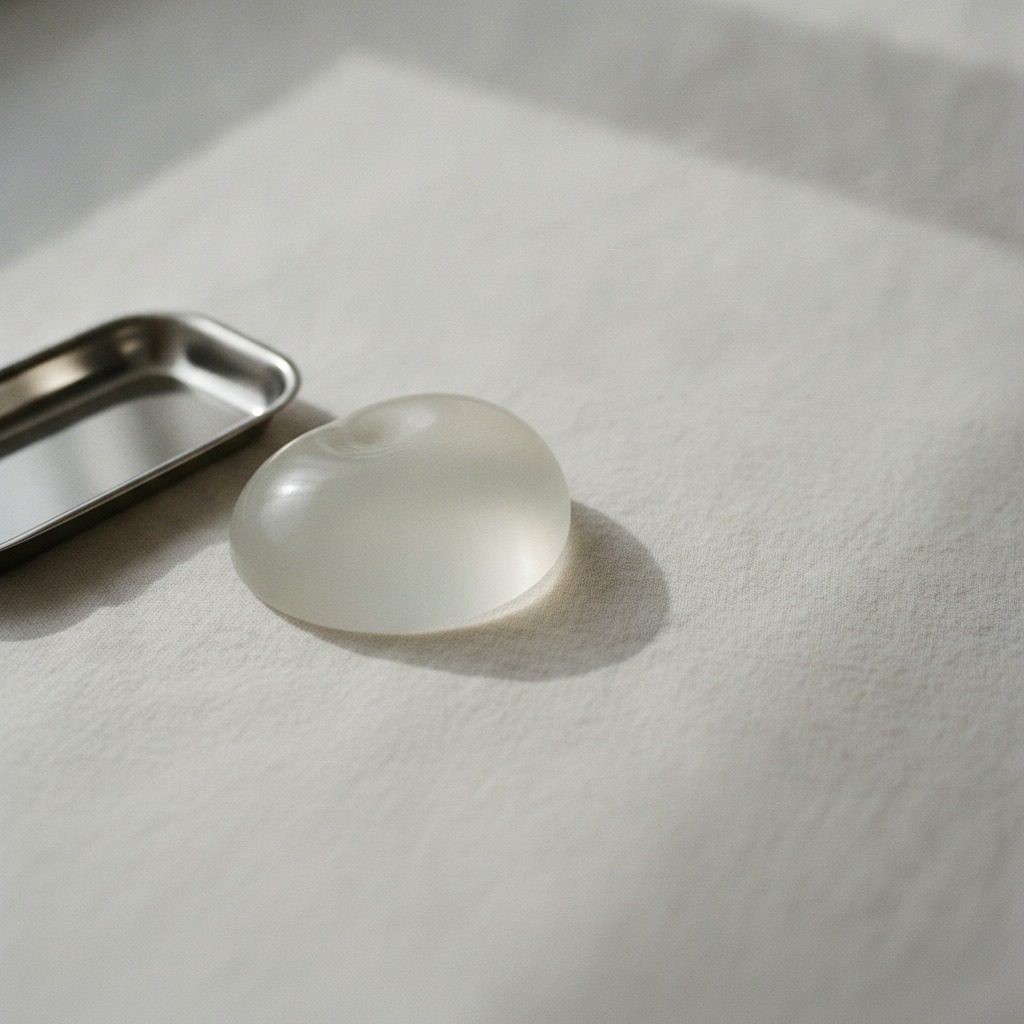
A patient sat down in my office last month and, before I had asked a single question, told me she wanted her implants out. Twelve years she had carried them. Lately she felt tired in a way she could not put words to, she had read about breast implant illness late one night, and she walked in certain the implants were behind it.
I did not rush to agree. I did not rush to argue either. I asked her to let me lay out the whole picture first. That conversation is the one I want to share here, drawn from real consultations and anonymized.
What I Actually Know About Breast Implant Illness
Here is the honest starting point. If you have lived with your implants for years and felt fine the whole way, the odds are you never develop a problem at all. It is uncommon.
Across the thousands of augmentations I have done, perhaps ten or twelve women have asked me to remove them because they felt the implants were affecting them. When we took them out, most felt better.
And here is the part I will not skip past. Much of the time we cannot say for certain whether the implants caused it or something else did. Aches and fatigue arrive on their own as we age, and the implants make an easy target. The science is still developing. So I am not going to hand you a clean answer the evidence does not support, and I am not going to talk you out of removal if that is what you want. I want you choosing with the full picture in front of you.
Why Textured Implants Change My Advice
Textured implants, the ones with a rougher outer shell, have been linked in a small number of patients to a specific lymphoma. Low risk, roughly one in a few thousand, and tied to that textured surface rather than to smooth implants.
So if your implants are textured, swapping them for smooth ones makes sense even when everything feels fine right now. A breast augmentation revision is precisely the operation that trades an old implant for a newer, smoother one. When a risk can be sidestepped, I sidestep it.
What Happens to Your Shape If You Remove Them
This is the part patients least expect. Pull out an implant of any real size and you drop a cup size or more. Things sag, because that implant was holding up volume your skin had stretched to accommodate over the years.
Which means removal by itself is rarely the whole answer. To look good afterward, most women need a breast lift in the same operation, raising everything and tightening it.
Want a little fullness on top after that? We have options. I will not add fat at the moment of removal, because the empty pocket has to close off first. Come back a few months later feeling too small, and fat grafting can put a little body back without another implant.
Keeping a Small Implant Instead
Plenty of women choose this middle path, and it works beautifully.
We take out the large old implant, perform the lift, and set a small one in its place, sometimes only 150 or 200 cc, mostly to hold a little cleavage and shape. A small implant behaves more predictably than fat. Reliable size, and it does not shift when your weight does.
| Your Goal | What I Usually Recommend |
|---|---|
| Implants gone, accept the change | Removal, often with a lift |
| Smaller but still some shape | Remove, lift, place a small implant |
| Natural softness, no implant | Remove and lift now, fat grafting later |
| Textured shell, feeling fine | Exchange to smooth, possibly downsize |
The Newer Implants and Why I Add Support
The Motiva implants I place now run a rupture rate under half a percent and a capsular contracture rate also around half a percent, against the ten to fifteen percent we saw with some older implants. Because of that, I no longer tell patients they have to swap every ten years.
These could go a long time. I often add an internal bra, a mesh that holds everything in position so the result holds with it. You can read more about the full menu on our breast surgery page.
When I Order Imaging First
Often. A new firmness, a shooting or stabbing sensation, or plain uncertainty about whether the implant is intact, any of those gets an ultrasound so we can check the shell and rule out a rupture. When we need more detail, we move up to an MRI.
Sometimes that little stab is nothing more than the implant tickling a nerve. Harmless. I still prefer to confirm it rather than guess.
Why I Approach This Carefully
I am a double board-certified plastic surgeon, certified by the American Board of Plastic Surgery and the American Board of Surgery, with a Mayo Clinic plastic surgery fellowship and thirteen years running as a Castle Connolly Top Doctor. Removal and exchange asks more of a surgeon than a first-time augmentation does, because the tissue has been operated on once already. That is the whole reason I examine you, review your imaging, and tell you the truth about how your shape will change before we settle on a plan.
Ready to Talk?
If you are weighing whether to remove, exchange, or downsize, bring your history and we will build a plan around what you actually want.
For the surgeon’s editorial take, see the companion essay on drworldwide.com. For the El Paso treatment menu, see the version on swplasticsurgery.com.
Call (915) 590-7900, text 1-866-814-0038, or book online at agulloplasticsurgery.com. #StayBeautiful.
@RealDrWorldWide on Instagram, TikTok, and Snapchat, @Agullo on X, or @AgulloPlasticSurgery on Facebook.