
August 03, 2026 | Anti-Aging, Fillers, Skin Care Regimen
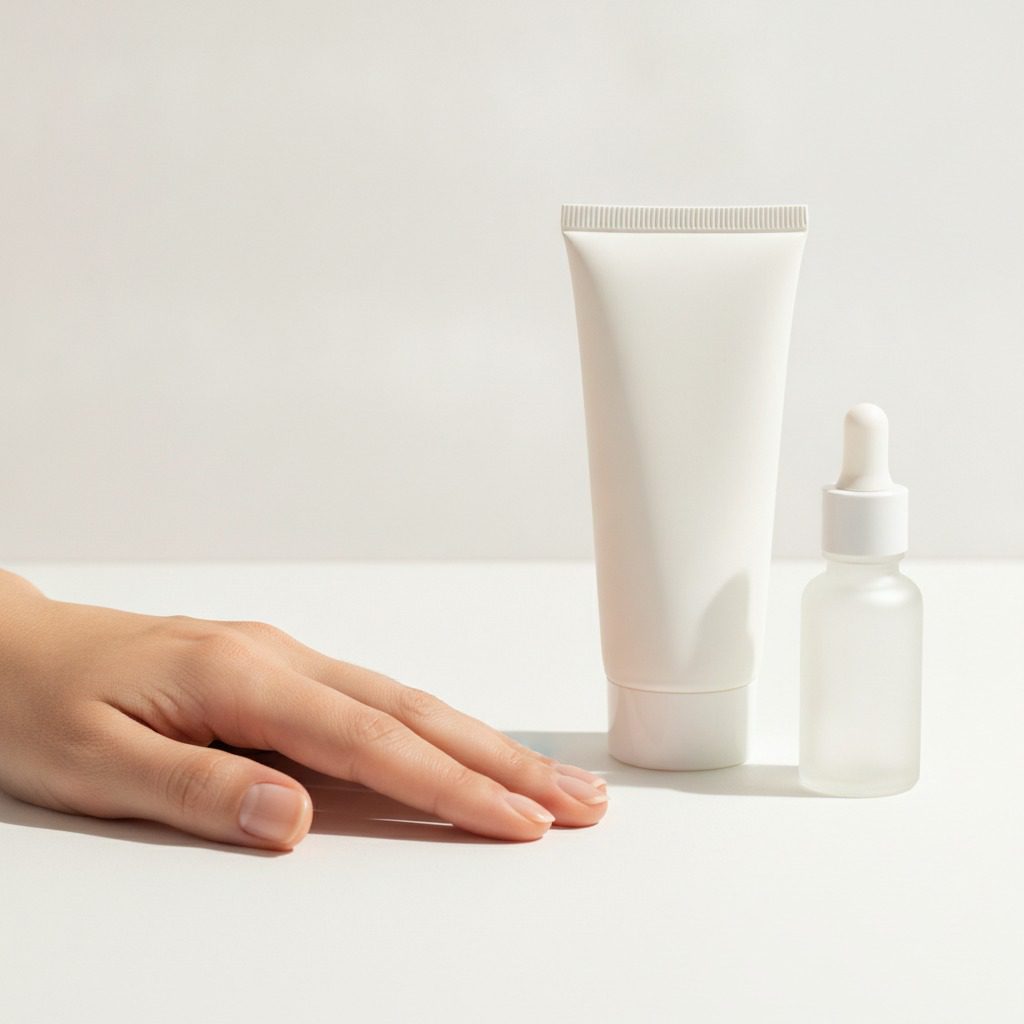
GB News called me a few weeks ago with one question. What’s the single most important habit for slowing hand aging?
Sunscreen, would have been my real answer. Though just saying that leaves me with 75% of the answer that I have just never given my patients. Below you can find what I generally say to a patient in order, along with how filler and some more substantial treatments may slot in once this routine has done some of its work.
Why Hands Show Age Before the Face Does
Your hand skin is less tough and there is less fat beneath. Hands see much rougher sunlight throughout your lifetime compared to your face. My patients consistently put on facial SPF. None consistently take it to their wrists.
As it shows up in both ways I am seeing that constantly: brown spots and thin, papery skin on the backs of their hands, years before their face looks like it. Cumulative sun exposure damage. It is sun damage sitting on skin not as supple or filled in with subcutaneous fat as skin on the face. It is damage, yes, but it is sun damage, not something scary.
Step One: Sun Protection, Every Morning
Sun protection is the highest-leverage habit in this entire routine, and it’s the one most people skip on their hands specifically. Broad-spectrum SPF 30 or higher, applied to the backs of both hands every morning, reapplied after you wash your hands.
Most brown spots and crepey texture on hands trace back to sun exposure. Prevent the exposure and you prevent most of what’s coming.
The Full Four-Step Routine
Sunscreen prevents new damage. It doesn’t repair a barrier that’s already compromised or fade a spot that’s already visible, so I add three more habits on top.
| Step | What to use | What it does |
|---|---|---|
| 1. Protect | Broad-spectrum SPF 30+, reapplied after washing | Prevents most new sun-driven damage |
| 2. Repair | A thick cream with ceramides, glycerin, and hyaluronic acid after every wash | Rebuilds the moisture barrier soap and sun both strip away |
| 3. Rebuild | A retinoid, two to three nights a week | Builds collagen, smooths texture, softens crepey appearance |
| 4. Fade | Vitamin C and niacinamide topicals | Gradually fades existing age spots and helps prevent new ones |
Intensity means nothing here. Retinoids and vitamin C can be used two to three times weekly, depending on tolerance, and I tell most of my patients eight to twelve weeks before improvements will become significant, because I would be upfront and say something upfront rather than have someone rage quit a good routine after only three weeks when they do not see anything happening.
Who Benefits Most From This Routine
Good candidates include people with noticeable sun damage on their hands, dark spots, creased or thin texture or signs of premature aging that look older than their face; especially people who have never used sunscreen on their hands. Such a routine could even be sufficient for individuals who are just now starting their skincare habit.
Patients with deeper, more established pigment, significant crepey texture despite a good routine, or visible tendons and veins from real volume loss are candidates for something more, which I cover below. A cream routine alone won’t reliably clear those.
When to Add In-Office Treatment
Consistency will prevent some signs of aging (pigmentation and slight loss of tone and texture), but its effects do have limits. Deeper pigment and more advanced crepe texture are best tackled with laser resurfacing, IPL, or a medium-depth chemical peel, which treat the damage that topicals are unable to reach.
If you feel like you have lost some fat padding and have poor skin quality; meaning you see tendons showing, your veins seem more prominent, etc., then that is more related to volume loss than skin quality. The solution there is a bit different than treating bad skin quality, though at first glance, the problems can seem to be identical. That topic is discussed elsewhere.
Why I Approach This the Way I Do
I completed my plastic surgery fellowship at Mayo Clinic and I’m a Clinical Associate Professor of Plastic Surgery at Texas Tech University Health Sciences Center Paul L. Foster School of Medicine. I’ve been named a Castle Connolly Top Doctor for thirteen consecutive years.
That background isn’t a dermatology credential, but it’s why I treat a hand-aging consult with the same structural approach I use on a facelift consult: figure out what’s actually causing the appearance change before recommending a product or a procedure.
Why Choose Dr. Agullo for Hand Skincare in El Paso
Approximately 60% of my current patients come from outside El Paso. I founded my practice on transparency (all-inclusive pricing, linked on my fees page) and honesty in recommendation where I am as happy recommending a $15 tube of sunscreen to a patient as I am to recommend a cosmetic procedure.
Ready to Talk?
Bring your hands into a consultation the same way you’d bring your face. I’ll tell you honestly whether a routine will do the job or whether you need laser, IPL, a peel, or filler.
Call (915) 590-7900, text 1-866-814-0038, or book online at agulloplasticsurgery.com/appointments. #StayBeautiful.
@RealDrWorldWide on Instagram, TikTok, and Snapchat, @Agullo on X, or @AgulloPlasticSurgery on Facebook.
Cross-links
- Editorial version on drworldwide.com: “Sunscreen, Not Syringes: What Actually Slows Hand Aging” (link once live)
- Practice version on swplasticsurgery.com: “Southwest Plastic Surgery’s Hand Prevention Protocol” (link once live)
- Companion post: Hand filler and hand rejuvenation (APS): https://www.agulloplasticsurgery.com/blog/hand-filler-rejuvenation-el-paso/
- Source: GB News, “How to look younger: Doctor shares the ‘single most important habit’ to slow ageing on your hands,” Sarra Gray, July 20, 2026. https://www.gbnews.com/lifestyle/spf-how-to-look-younger-hands