
July 16, 2026 | Anti-Aging, Skin Care Regimen
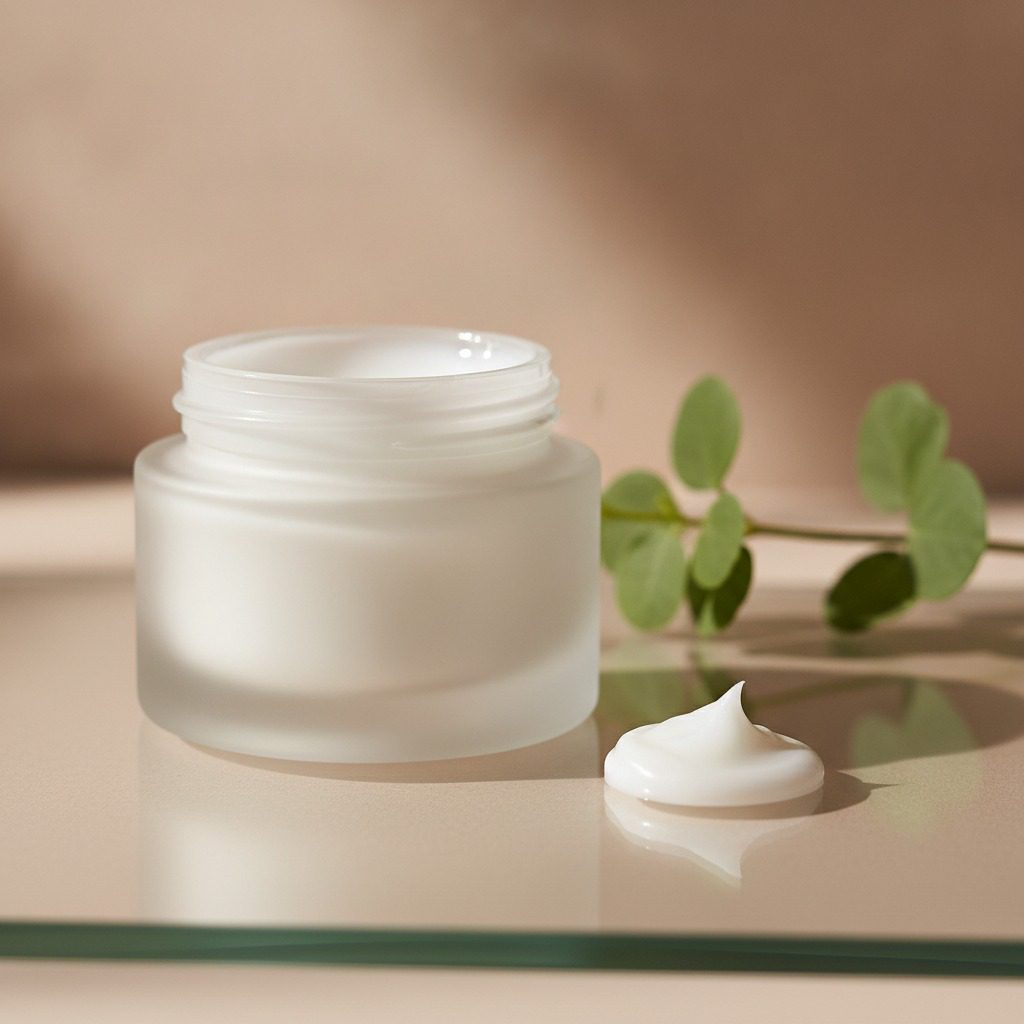
A patient set a jar of collagen cream on my desk last month and asked a fair question. “Is this actually doing anything, or am I paying forty dollars to feel productive?”
I get some version of that question every week, and I was asked it again recently by WOWMD for a national article on collagen creams. My answer is the same in both places. Look at the active ingredient, not the front of the jar.
Let me walk you through what that means, because once you understand it, you will never shop for skincare the same way.
Why the Word Collagen on the Label Is Mostly Marketing
Your skin gets its firmness from collagen, which is a protein your body makes deep in the dermis, the layer beneath the surface you can see. As we age, we make less of it, roughly one percent less each year starting in our twenties, and the skin loosens.
So it seems logical to rub collagen back on. Here is the catch. The collagen molecule is simply too big to pass through the top layer of skin. It cannot travel down to the dermis where your own collagen is built. It stays on the surface.
What it does on the surface is hold water. Hydrated skin looks plumper, smoother, and more radiant, which is why a collagen cream can make you look better the same morning you use it. That effect is real, but it is temporary, and it is hydration, not reconstruction.
Think of a collagen cream as a very good moisturizer. Helpful. Just not a rebuild.
The Ingredients That Actually Help Your Skin Make Collagen
Here is the encouraging part. Some ingredients in a cream really can signal your skin to produce more of its own collagen. They are not the collagen itself. They are the messengers.
Retinoids are the most proven. These are vitamin A derivatives, either prescription strength (tretinoin) or a well-made over-the-counter version (retinol). They tell your skin cells to renew faster and to build new collagen over time.
Peptides are next. These are small chains of amino acids that act like a signal to the cells that make collagen, telling them to get to work. The good ones are backed by research.
Vitamin C is the third. It is an antioxidant that protects your skin, and your body also needs it as a building block to make collagen in the first place. It brightens too, which people tend to notice first.
Rounding out a good formula are the supporting players: hyaluronic acid to hydrate, niacinamide (a form of vitamin B3) to calm and even out tone, ceramides to strengthen the skin barrier, and growth factors when they are stable and tested.
| On the label | What people assume | What it really does |
|---|---|---|
| Collagen | Replaces lost collagen | Hydrates the surface, plumps for now |
| Retinoid or retinol | Anti-aging cream | Signals real new collagen over months |
| Peptides | Firming | Tell collagen-making cells to work |
| Vitamin C | Just brightening | Antioxidant and a collagen building block |
| Hyaluronic acid | Plumping | Pulls water in and holds it |
How to Read a Label Before You Buy
Turn the jar around and read the first several ingredients. Products list ingredients in order of how much is in them, so the ones near the top are the ones that matter.
If the front says collagen in big letters but the back is water, waxes, and fragrance, you are paying for packaging. If you see a retinoid, a real peptide, or a stable vitamin C listed high, the product can actually help.
You are not hunting for the longest list. You want the right ingredients near the top.
How to Start Retinoids and Vitamin C Without Irritating Your Skin
The ingredients that work are also the ones that can sting, flake, or redden skin if you rush them. That irritation is the main reason people give up before they see results.
So ease in. If your skin is sensitive to retinoids or vitamin C, start two to three times a week rather than every night, then slowly build up as your skin tolerates it. A little dryness at first is normal. Burning and persistent redness means slow down.
A simple pattern works well. Retinoid at night, vitamin C in the morning, and sunscreen every day without exception. Sun undoes collagen faster than any cream can build it, so daily sunscreen is half the job.
Give It 8 to 12 Weeks
This is the expectation I want every patient to hold. The results from a good cream are subtle, and they take about 8 to 12 weeks of steady use to appear.
Not days. Weeks, and quite a few of them. Collagen builds slowly, so any product promising a dramatic change in a week is showing you the hydration bounce, not real firming.
Consistency wins. Using a decent product three nights a week for three months will do more than using a fancy one for a week and quitting.
When a Cream Is Not Enough
Creams maintain and refine skin. They do not lift tissue that has already sagged, and they will not fill a deep fold.
When a patient wants real structural change, we reach for treatments that actually get to the deeper layers: radiofrequency microneedling and lasers, biostimulators like Sculptra that trigger a genuine collagen response, and, when there is true looseness, surgery.
I completed my plastic surgery fellowship at the Mayo Clinic and I am double board certified. In my El Paso practice, the best plans often combine both a smart at-home routine and an in-office treatment. The cream keeps things maintained. The in-office work delivers the change a jar cannot.
The Bottom Line
A collagen cream will not give you back the collagen you have lost. A well-chosen one will hydrate beautifully and, if it carries the right actives, help your skin quietly build a little more of its own over a couple of months.
Turn the jar around and buy the ingredient list. #StayBeautiful.
Ready to Talk?
Want a skincare routine built for your skin, and an honest answer on whether a cream is enough for your goals? We are happy to walk you through it.
Call (915) 590-7900, text 1-866-814-0038, or book online at agulloplasticsurgery.com.
@RealDrWorldWide on Instagram, TikTok, and Snapchat, @Agullo on X, or @AgulloPlasticSurgery on Facebook.